UFC rankings и matchmaking patterns: pricing inefficiencies в rank-based betting
 Available in US
Съдържание
- Защо UFC rankings са problematic като betting input
- Patterns в matchmaking decisions
- Защита на champion-tier
- Икономика на title shot
- Дивизионна динамика
- Работен пример: предимство въз основа на ranking
- Public perception bias в pricing
- Българският пазар и rank-based betting
- Бързи изводи за rank-based залозите
Защо UFC rankings са problematic като betting input
Когато започвах handicapping, наивно мислех, че UFC official rankings са meaningful signal за relative skill levels. Боец #3 трябва да е по-добър от #8 в same division. Логично, нали? Реалността не работи така. UFC rankings са политически instrument, маркетингов tool, и legitimate skill assessment в равни parts.
Rankings са определяни от media panel — около 25 journalists и MMA personalities, които vote-ват седмично. Тяхното voting е affected от recent wins (overweighted), career narrative (overweighted), и actual skill assessment (underweighted in many cases). Резултат: rankings reflect public perception, not necessarily skill hierarchy.
Тази discrepancy creates persistent pricing inefficiency. Bookmakers често reference rankings в начало pricing — fighter с #3 ranking автоматично се price-ва better от #8. Когато actual skill gap не съответства с ranking gap, edge възниква.
Patterns в matchmaking decisions
Sean Shelby и Mick Maynard, UFC matchmakers, имат предположения tendencies, които влияят на matchmaking patterns. Те ценат entertaining fights над skill-aligned fights. Те favor matchups, които progress storylines. Те protect young prospects до certain point, after которые те „test“ срещу established names.

Тази matchmaking philosophy means rankings не reflect skill hierarchy directly. #5 fighter може to be more skilled от #3 simply because matchmaker hasn’t given #5 high-profile fights yet. #8 fighter може да is recent UFC arrival с superior skills от mid-tier ranking implies, because regional dominance was не reflected в early UFC ranking.
Аз гледам за specific patterns. Newly arrived UFC fighters with strong regional records (PFL, Bellator, или international promotions) often enter rankings around #15 и climb based on UFC wins. Тяхното actual skill level може to be #5-#8 equivalent, но ranking lag-ва behind. Това е fertile ground за underdog +EV.
Compare с заварени UFC fighters с дълга история. Те имат stable rankings, които rarely fluctuate. Wins не obviously elevate тяхно ranking; losses не obviously drop. Тяхното ranking рефлектира historical narrative more than current skill. Това creates opportunities to fade them when matched срещу rising challengers.
Защита на champion-tier
Champion-level fighters получават specific matchmaking protection. UFC rarely схеджулва champion за immediate rematch срещу loss-based challenger. Instead, champion получава „easier“ defense за rebuild narrative. Тази protection patterns matter за handicapping.
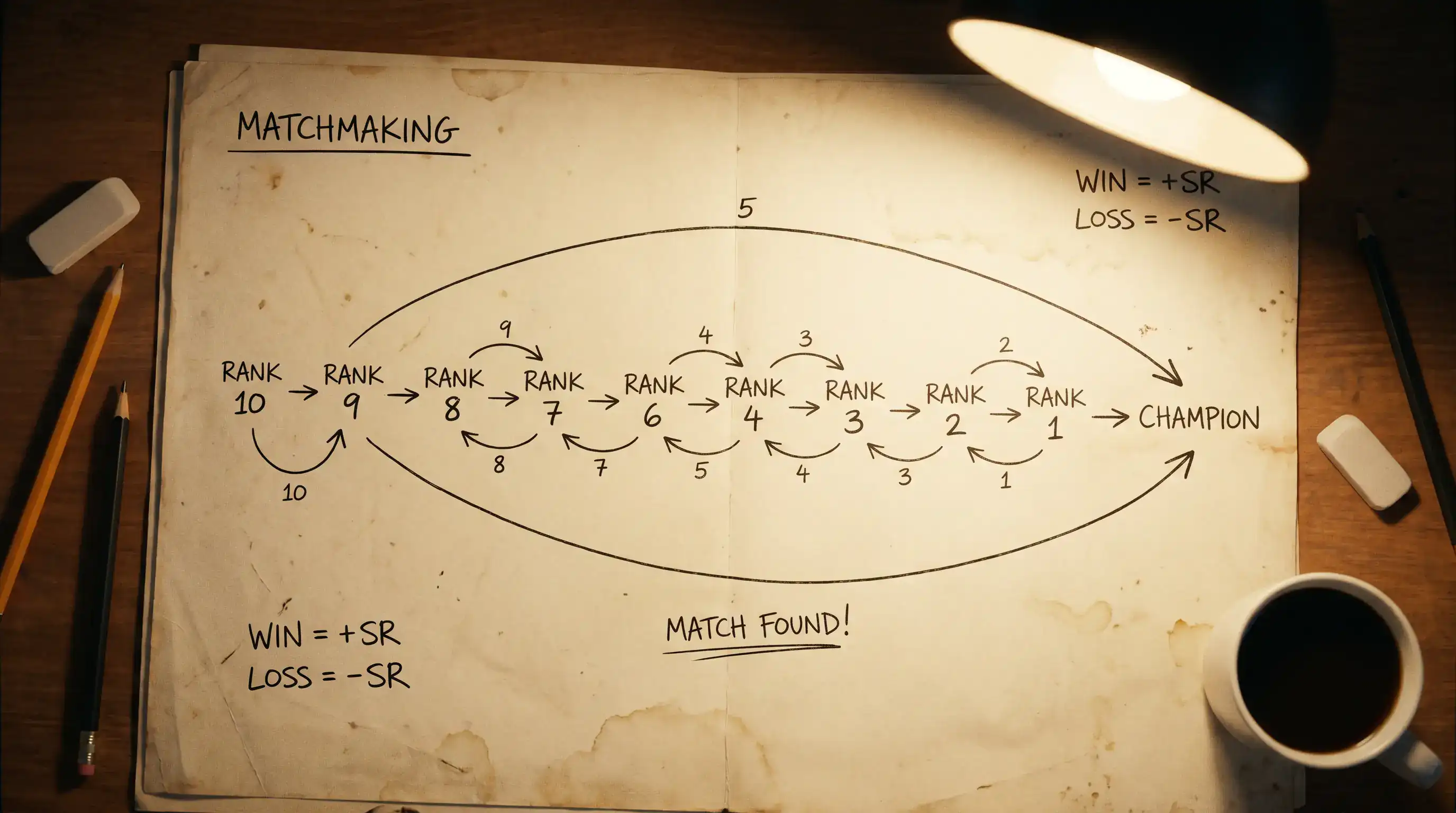
Когато champion fight срещу #5 challenger вместо #1 contender, betting line обикновено отразява rank differential — champion се price-ва heavily favoured. Но actual skill differential между #1 и #5 в среден case е malka. Often, champion срещу #5 е closer to coin flip than line implies.
Това specifically е така когато #5 has built record on strong matchups, while #1-#4 имаха easier paths to ranking. Public perception (driven by UFC marketing) often overestimates ranking-based hierarchy.
Аз look за specific situations. Champion с 2-3 successful defenses срещу challengers ranked #4-#8. Public assumes champion is dominant; line reflects assumption. But champion’s competition has been managed, not most competitive. When champion finally meets #1 contender, line часто остава based на recent dominance, undercounting actual skill gap. Underdog #1 contender може to be +EV at +180 to +250.
Икономика на title shot
UFC title shots are politically determined, not skill-determined. Marketability matters more than ranking in many cases. Conor McGregor получи title shot после 7 UFC fights (some controversy at the time); Khabib чакаше longer despite undefeated record.

Тази dynamic creates взаимодействия с handicapping. Fighter who „deserves“ title shot but doesn’t get it може be carrying frustration into next fight. Performance often suffers. Conversely, fighter „given“ title shot with insufficient resume може to be overwhelmed at champion level.
Аз track-вам title shot pathways carefully. Когато fighter получава title shot после controversial qualifying, аз discount that fighter’s championship chances относно implied probability. Когато deserving fighter is passed over for political reasons, аз watch for performance drop в interim matchups.
Дивизионна динамика
Различни divisions have different matchmaking philosophies. Lightweight е the deepest division historically — rankings там tend to reflect actual skill more closely than other divisions. Heavyweight е shallowest — few elite fighters, rankings often inflated based на single-impressive performances.
Flyweight и women’s strawweight имат small rosters, often featuring same fighters в repeated matchups. Rankings там meaningful as direct comparisons между specific fighters, since тяхното skill set has been tested срещу each other multiple times.
Welterweight и middleweight имат middle dynamics — competitive depth, but star-power matchmaking often skews rankings toward marketable fighters. Aimed handicapping в these divisions requires deeper analysis than rank-based assumption.
Работен пример: предимство въз основа на ranking
Конкретна situation. #4 ranked fighter срещу #8 ranked challenger в middleweight. Линията: #4 -180, #8 +160 (имплицитна 35.5% за challenger). Standard ranking-based pricing.
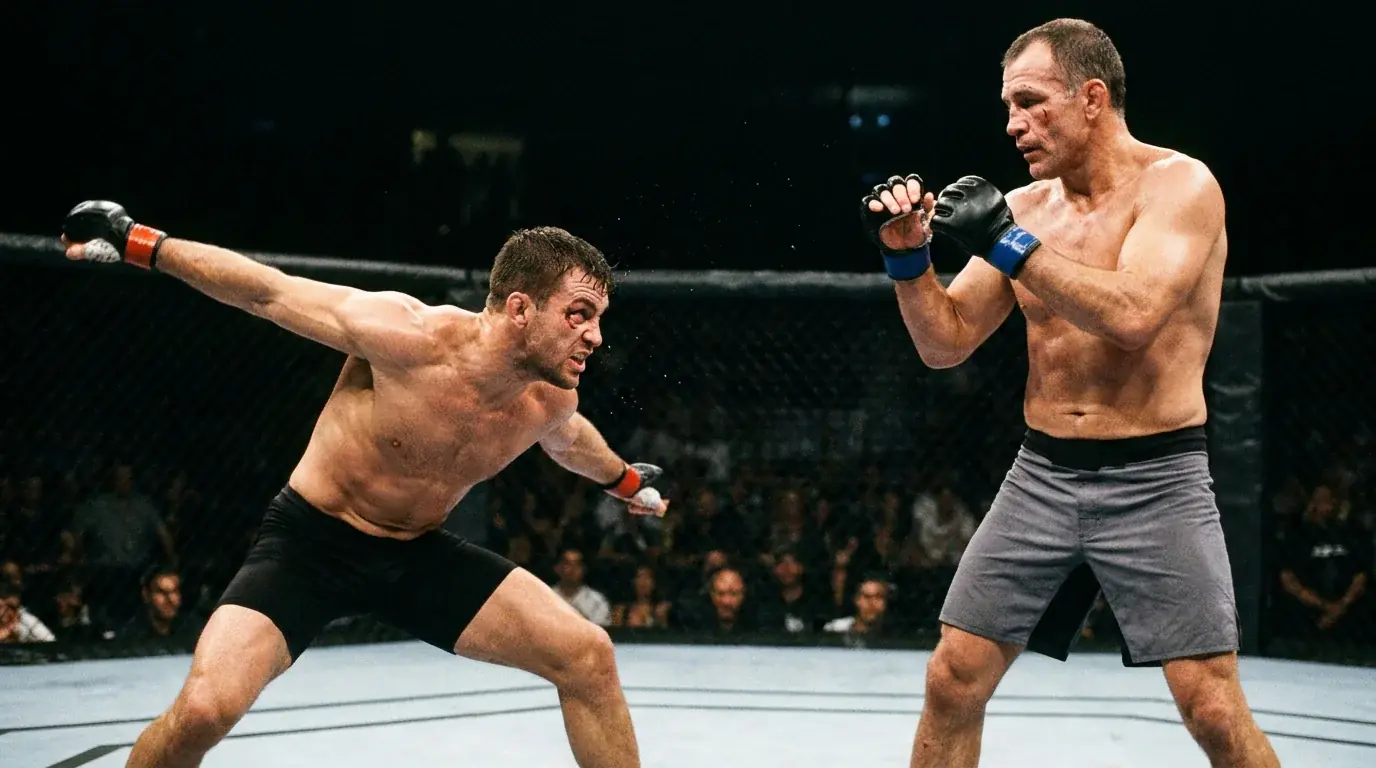
Моят deeper analysis: #4 е long-tenured UFC veteran с recent 2-1 record. Last loss беше срещу #1 contender; recent wins срещу #7 and #9. #8 е newer UFC arrival, 3-0 в UFC after dominant regional career. UFC wins били срещу ranked opponents (#10, #14, и unranked).
Style analysis: #4 е counter-striker, #8 е pressure fighter с wrestling base. Стилът Match-up favors #8 в close-quarters exchanges. Cardio: #4 cardio adequately, но #8 е younger и cardio-rich. Recent damage: #4 took heavy damage в last loss (cumulative impact); #8 не показва damage history.
Моят probability estimate: #4: 45%, #8: 55%. Implied 35.5% за #8 е significantly under моят 55%. Edge: 19.5% на #8.
Това е massive edge — много по-голям от typical. Когато такива large edges възникват, аз verify analysis multiple times. Едж това голям обикновено signal или серьозен mispricing or грешка в моя analysis. Когато verified, размер на залога е quarter Kelly (около 4-5% от bankroll за този single bet).
Public perception bias в pricing
Public perception heavy influences bookmaker pricing, особено за early lines. Известни имена с large fan bases attract heavy public action, който forces bookmakers to shade lines to balance action. Resultat: known commodities are often overpriced as favorites.

Younger UFC fighters без established narratives често are underpriced relative to skill. They don’t generate public action, и bookmakers don’t shade lines toward them. Тяхното actual probabilities can be 10-15% higher than implied.
Тази pattern е reliable source на edge. Когато I see well-known veteran срещу rising prospect, with line heavily favoring veteran, моят default assumption е, че prospect е undervalued — unless specific analysis тук contradicts.
UFC has over 700 million fans globally и over 330 million social media followers, which makes public perception extra-influential in betting markets. Marquee names like Israel Adesanya, Sean O’Malley, Alex Pereira receive disproportionate public action, often creating mispriced lines в their favor.
Българският пазар и rank-based betting
Българският хазартен пазар расте rapidly — оборотите достигнаха 1.06 милиарда лева през 2025 от 384 милиона през 2023 година. Local bookmakers often pull lines от major international sources without much customization за specific UFC analysis.
Тази copy-and-paste approach means rank-based pricing inefficiencies persist в Bulgarian books almost identically to international markets. Underdog +EV opportunities ranked challengers are equally available на Bulgarian licensed operators as международни.
Бързи изводи за rank-based залозите
UFC rankings are political instrument, не direct skill measure. Matchmaker decisions create persistent pricing patterns — protected champions, marquee-name advantages, undervalued rising prospects. Bookmakers often base pricing на rank differentials, creating consistent +EV opportunities for analysts who look deeper.
Aimed handicapping requires looking past rankings to actual recent performances, style matchups, age curves, и damage history. Когато underlying analysis significantly diverges от ranking-based assumption, edge възниква.
За допълнителна перспектива на как champion vs challenger dynamics се различават от standard non-title matchups, виж champion срещу challenger five-round dynamics.
Records-ите ми за rank-based залози over последните три години: 156 залога, ROI 6.8%. Underdog rising challengers срещу established names са consistent +EV category. Patient handicapping и proper Kelly sizing makes this approach sustainable.
Колко често се актуализират UFC rankings?
Седмично, обикновено на втори ден после event-а. Media panel votes individually, votes се aggregate-ват, и rankings се публикуват. Тази седмична volatility means rankings reflect short-term performance, not long-term skill assessments.
Pound-for-pound rankings са ли useful за handicapping?
Marginally. P4P rankings са purely subjective и rarely affect specific matchup pricing. По-полезни са като general indicator на superstar status, but division-specific rankings са по-actionable за handicapping.
Какво да правя ако моят analysis показва голям edge срещу ranking?
Verify multiple times. Голeми edges (15%+) often signal или significant analytical mistake or rare opportunity. Когато confirmed, quarter Kelly размер е appropriate. Document analysis carefully за post-fight review.
Подготвено от редакторите на „ММА Букмейкър”.